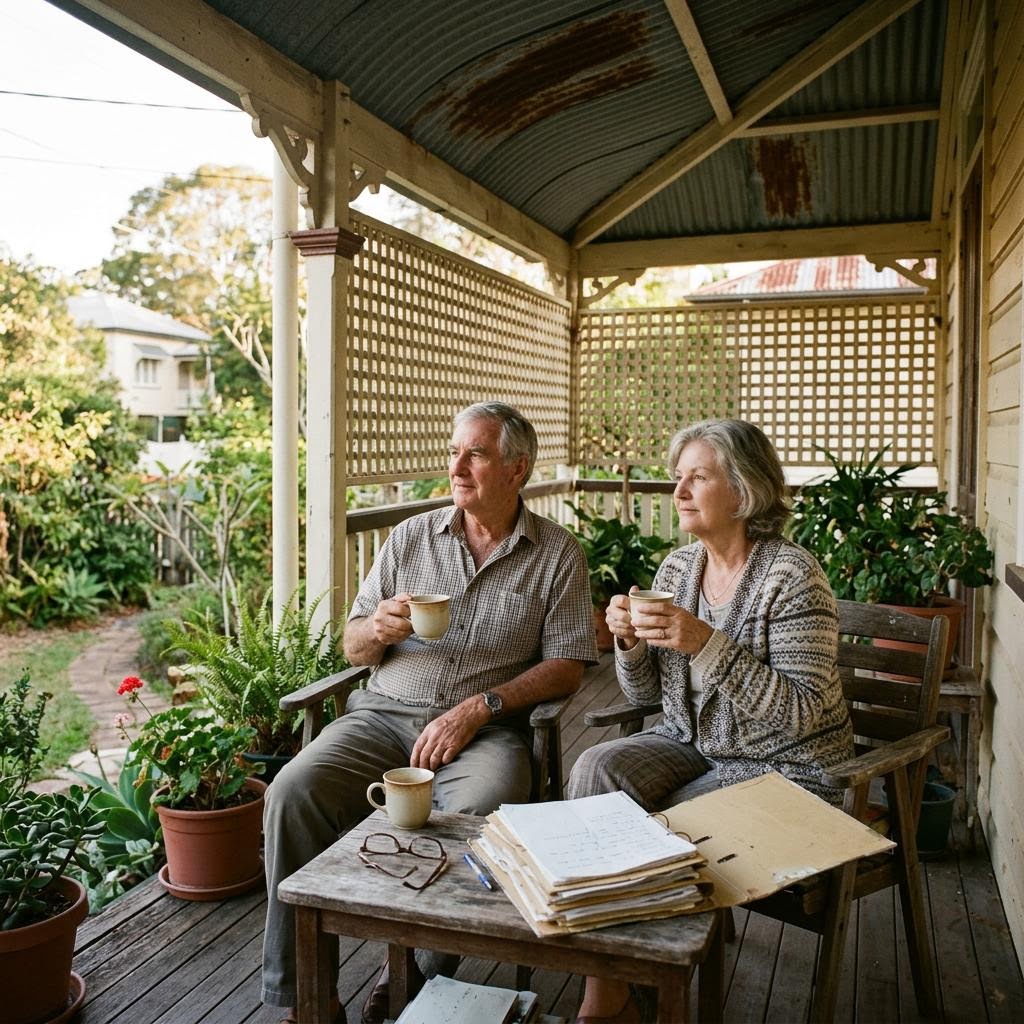
Based on a real discussion shared online by a family after the death of a reverse mortgage borrower. Some personal details have been simplified while preserving the circumstances described.
The Story
Nan had lived in the same home for more than forty years.
It was the house where every birthday had been celebrated, where the grandchildren built cubby houses in the backyard, and where Christmas lunch was still held every year.
When she passed away, the family assumed the hardest part was behind them.
Then they remembered the reverse mortgage.
Almost immediately, questions started flying around the room.
"Will the bank take the house?"
"Do we have to sell it straight away?"
"Can one of us keep it?"
Nobody seemed to know the answer.
One grandchild volunteered to find out.
After searching online, they found other families asking the same questions and shared Nan's situation in a finance forum, hoping someone who had already been through the process could explain what to expect.
What Actually Happened
The replies challenged one of the family's biggest assumptions.
A reverse mortgage didn't automatically mean the property had to be sold the moment the borrower died.
Instead, commenters explained that the estate would generally have a period of time to work with the lender, understand the outstanding balance and determine how the loan would be repaid.
Some families had sold the property.
Others had refinanced and kept it.
Several people emphasised that the first step wasn't making a rushed decision.
It was understanding the numbers.
How much was the property worth?
How much was owed?
What options did the lender allow?
Once those questions were answered, the family's choices became much clearer.
Original discussion:
https://www.reddit.com/r/Mortgages/comments/1k4tu7y/mom_passed_with_reverse_mortgage_a_few_questions/
Why They Made That Choice
Nan had taken out the reverse mortgage years earlier to continue living independently in the home she loved.
At the time, the decision solved an immediate retirement need.
The family's challenge came much later.
They weren't deciding whether to take out a reverse mortgage.
They were working out what happened after it had served its purpose.
Like many families, they realised they knew very little about what occurred once the loan became repayable.
Lessons Learned
Several practical themes appeared throughout the discussion.
Don't assume the process is immediate. Many families are surprised to learn there is generally a structured process after the borrower's death rather than an instant sale.
Understand the property's equity before making decisions. The remaining equity often determines which options are realistically available.
Contacting the lender early provides clarity. The lender can explain the process, required documentation and relevant timeframes.
Estate administration takes time. Reverse mortgages become one part of a broader estate process rather than the only issue families need to manage.
What Other People Thought
The discussion was largely reassuring.
Several contributors had already managed estates involving reverse mortgages and described the process as more orderly than they had expected.
Others explained that the emotional pressure often comes from uncertainty rather than from the loan itself.
A number of commenters encouraged families not to rush into listing the property for sale until they fully understood the lender's requirements and had considered all available options.
One recurring observation stood out.
Good information reduces panic.
Families who understand the process are generally in a much better position to make thoughtful decisions.
How This Compares to Australia
Australian reverse mortgages also have defined processes when the loan eventually becomes repayable.
Depending on the circumstances, the estate will generally work with the lender to settle the outstanding balance, which may involve selling the property or another acceptable repayment arrangement.
Borrowers continue to own their home while they meet the loan conditions, and eligible Australian reverse mortgages include a statutory No Negative Equity Guarantee.
Although each lender's procedures differ, families are generally encouraged to communicate with the lender early, understand the outstanding balance and obtain appropriate legal or estate advice where required.
Key Takeaways
This family began with one overwhelming fear.
They thought the house would disappear almost immediately.
What they discovered was a process rather than a crisis.
There were conversations to have.
Information to gather.
Choices to consider.
For many families, understanding those steps can transform a frightening situation into one that feels far more manageable during an already difficult time.
Story Snapshot
Location: United States
Source: Reddit
Perspective: Family of a deceased borrower
Stage: Reverse mortgage after the borrower's death
Primary reason for the original loan: Remain in the family home during retirement
Outcome: Unresolved
Biggest concern: Whether the family would immediately lose the home
Key lesson: Families often discover they have more time and more options than they initially expect once they understand the lender's process.
Source