Based on a real discussion shared online by a retired homeowner exploring a reverse mortgage as a contingency rather than an immediate source of funds. Some personal details have been simplified while preserving the circumstances described.
The Story
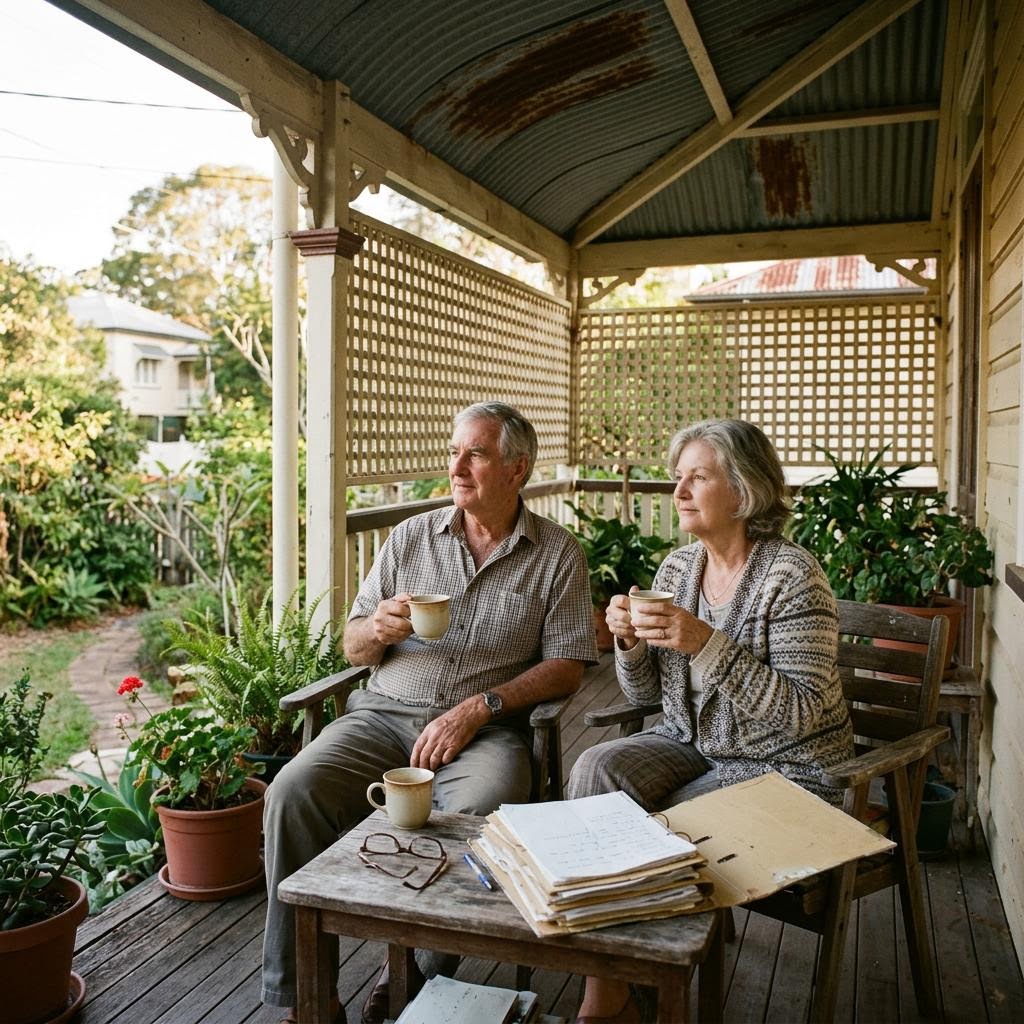
Peter and Anne weren't under financial pressure.
Their retirement was comfortable enough.
The pension and their super covered everyday expenses, the mortgage had long been paid off and they lived within their means.
Even so, something kept bothering Peter.
"What happens if one of us needs expensive care?"
He'd watched several friends face large, unexpected costs later in retirement.
One couple needed major home modifications after a fall.
Another had significant medical expenses.
A third had been forced to sell their home sooner than they wanted because they had very little cash available.
Peter wasn't looking for money today.
He wanted a plan for tomorrow.
While researching different options, he came across reverse mortgages that allowed homeowners to establish a facility without necessarily drawing all the available funds immediately.
Wanting to understand whether anyone had actually used one this way, he turned to an online discussion.
What Actually Happened
Many of the replies came from retirees who had approached reverse mortgages differently from the common perception.
Rather than borrowing a large lump sum straight away, several described using a line of credit that remained available if they needed it in the future.
Some never drew on it.
Others accessed relatively small amounts over time as circumstances changed.
A number of contributors explained that simply knowing the facility was available gave them confidence during retirement.
Others preferred keeping separate savings and never establishing a reverse mortgage at all.
The discussion highlighted that people weren't only comparing products.
They were comparing different ways of managing uncertainty.
Original discussion:
https://www.reddit.com/r/personalfinance/comments/13o6zxt/reverse_mortgage_line_of_credit_for_retirement/
Why They Made That Choice
Peter wasn't trying to increase his spending.
He wanted flexibility.
His greatest concern wasn't today's budget.
It was not knowing what retirement might look like ten or fifteen years into the future.
Having access to home equity if circumstances changed appealed to him because it offered another option without committing to selling the family home immediately.
Lessons Learned
Several themes appeared throughout the discussion.
Planning for future uncertainty is different from solving today's problem. Some homeowners explore reverse mortgages as part of a contingency plan rather than because they currently need additional income.
Retirement rarely follows a script. Health, living arrangements and expenses can all change over time.
Flexibility has value. Several contributors appreciated having options available even if they never expected to use all of them.
Every strategy involves trade-offs. Maintaining access to home equity may suit some homeowners, while others prefer relying on savings or different financial arrangements.
What Other People Thought
The discussion was measured and practical.
Some contributors liked the idea of establishing access to home equity before it became urgently needed.
Others believed keeping larger cash reserves provided greater peace of mind.
Several reminded readers that no retirement strategy removes uncertainty entirely.
Instead, the goal is often to create enough flexibility that unexpected events become easier to manage.
How This Compares to Australia
Some Australian reverse mortgage products allow eligible homeowners to choose between different ways of accessing available funds, such as a lump sum, regular payments, a line of credit or a combination of these, depending on the lender and product.
Australian reverse mortgages are regulated under the National Consumer Credit Protection framework, and eligible loans include a statutory No Negative Equity Guarantee.
Because product features vary, homeowners considering a reverse mortgage often compare how different drawdown methods may affect interest costs, future equity and their overall retirement plans.
Key Takeaways
Peter's story wasn't about borrowing more money.
It was about creating more choices.
For him, the value of a reverse mortgage wasn't necessarily the money it could provide today.
It was the confidence of knowing another option existed if life took an unexpected turn.
Retirement planning often isn't about predicting the future perfectly.
It's about preparing for enough possibilities that the future feels less uncertain.
Story Snapshot
Location: United States
Source: Reddit
Perspective: Retired homeowner
Stage: Researching retirement options
Primary reason being considered: Establish a financial backup plan while remaining in the family home
Outcome: Unresolved
Biggest concern: Preparing for unexpected future expenses without selling the home prematurely.
Key lesson: Some homeowners explore reverse mortgages as a source of future flexibility rather than an immediate source of retirement income.
Source