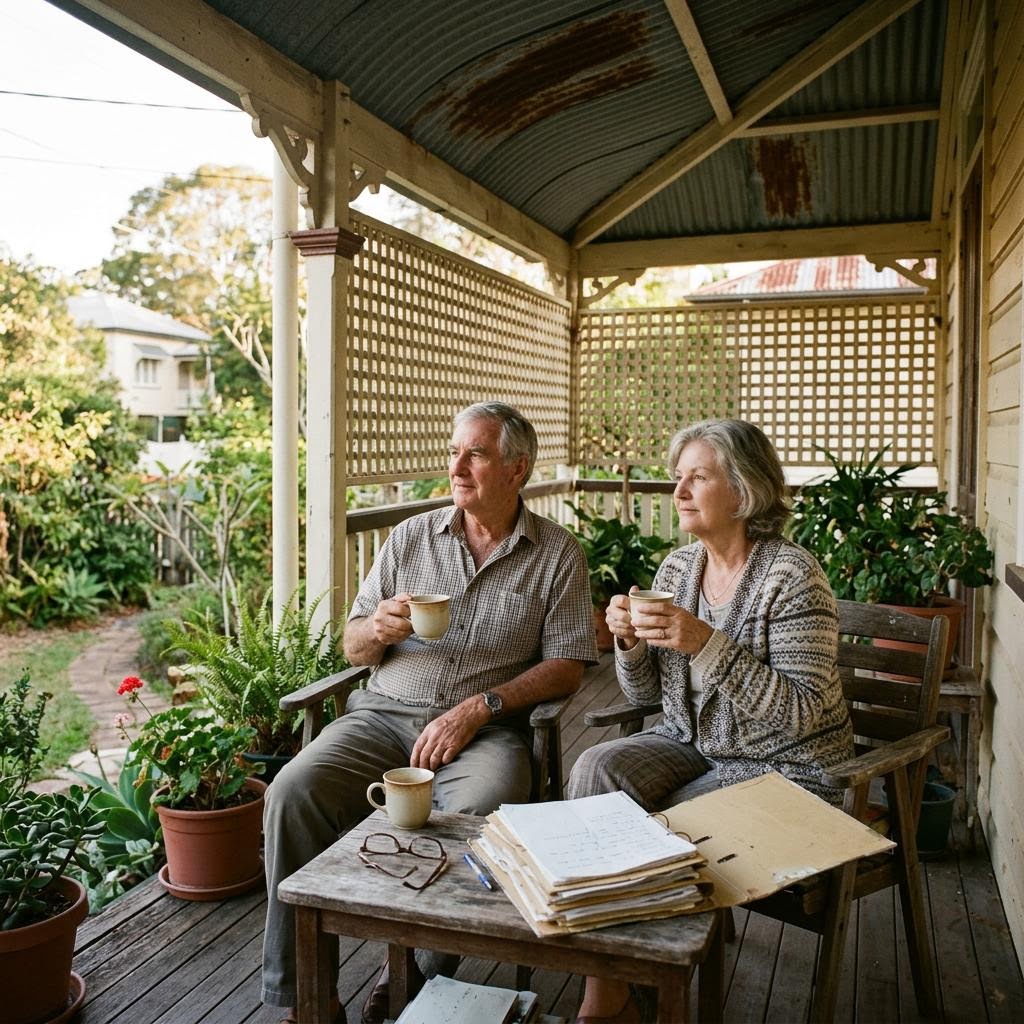
Based on a real discussion shared online by the adult child of a retired homeowner exploring whether a reverse mortgage could improve retirement cash flow. Some personal details have been simplified while preserving the circumstances described.
The Story
Dad's financial situation looked impressive on paper.
He owned a home that had more than quadrupled in value since he bought it decades earlier.
Friends joked that he was "house rich".
Dad laughed every time.
"If only the supermarket accepted bricks instead of dollars."
The joke carried more truth than humour.
His pension covered the basics, but rising living costs meant there was less room for unexpected expenses. Every major repair to the house became another decision about whether it could wait another year.
His children couldn't understand why someone living in such a valuable property seemed so cautious about spending money.
Eventually, Dad explained.
"The house is worth plenty."
"My bank account isn't."
One of his children began researching whether a reverse mortgage was something worth understanding before suggesting anything to him.
What Actually Happened
The online discussion quickly introduced a phrase that appeared repeatedly.
"Asset rich, cash poor."
Many contributors explained that they had watched parents or relatives face exactly the same situation.
Their homes had become valuable over decades, yet their day-to-day retirement income remained relatively modest.
Some families described reverse mortgages as one way of accessing part of that wealth without selling the family home.
Others believed downsizing had achieved a similar outcome with lower long-term borrowing costs.
Several contributors encouraged the family not to focus solely on property values.
Instead, they suggested asking whether Dad's current income allowed him to enjoy the retirement he had worked so hard to achieve.
Original discussion:
https://www.reddit.com/r/retirement/comments/asset_rich_cash_poor_reverse_mortgage/
Why They Made That Choice
Dad wasn't trying to unlock wealth for luxury spending.
He wanted confidence.
He wanted to know that replacing a hot water system, repairing the roof or paying an unexpected medical bill wouldn't immediately create financial stress.
Exploring a reverse mortgage wasn't about spending more.
It was about feeling less restricted by money while continuing to live in the home he loved.
Lessons Learned
Several practical themes emerged from the discussion.
Home value doesn't automatically improve cash flow. A valuable property and comfortable retirement income are two different things.
Retirement goals evolve. Financial strategies often need reviewing as living costs and personal circumstances change.
Access to equity is only one consideration. Homeowners also weigh lifestyle, community connections and future flexibility.
Every option deserves comparison. Contributors encouraged comparing reverse mortgages with downsizing and other retirement strategies before reaching a decision.
What Other People Thought
The discussion reflected a wide variety of experiences.
Some contributors said accessing home equity had allowed their parents to enjoy retirement with far less financial anxiety.
Others preferred downsizing because it reduced ongoing maintenance costs while releasing additional funds.
One observation appeared again and again.
Many retirees aren't trying to become wealthier.
They're trying to make the wealth they already have work more effectively for the stage of life they're in.
How This Compares to Australia
Many Australian retirees find themselves in a similar position, particularly in areas where property values have increased substantially over many years.
For eligible homeowners, reverse mortgages are one option that may provide access to part of the equity tied up in the family home while allowing them to continue living there.
Australian reverse mortgages are regulated under the National Consumer Credit Protection framework, and eligible loans include a statutory No Negative Equity Guarantee.
Interest generally compounds over time unless voluntary repayments are made, so homeowners often compare the long-term impact on their equity with the potential benefits of improved retirement cash flow.
Key Takeaways
Dad's story highlights a challenge facing many retirees.
A high-value home doesn't necessarily make everyday finances feel comfortable.
His search wasn't for greater wealth.
It was for greater flexibility.
Understanding the difference between those two ideas helped his family better understand why a reverse mortgage had become part of the conversation in the first place.
Story Snapshot
Location: United States
Source: Reddit
Perspective: Adult child
Stage: Researching a reverse mortgage
Primary reason being considered: Improve retirement cash flow while remaining in the family home
Outcome: Unresolved
Biggest concern: Owning a valuable home while having limited accessible cash for everyday retirement expenses.
Key lesson: Being asset rich doesn't always mean feeling financially comfortable. Some retirees explore ways to access home equity after carefully comparing the available options.
Source