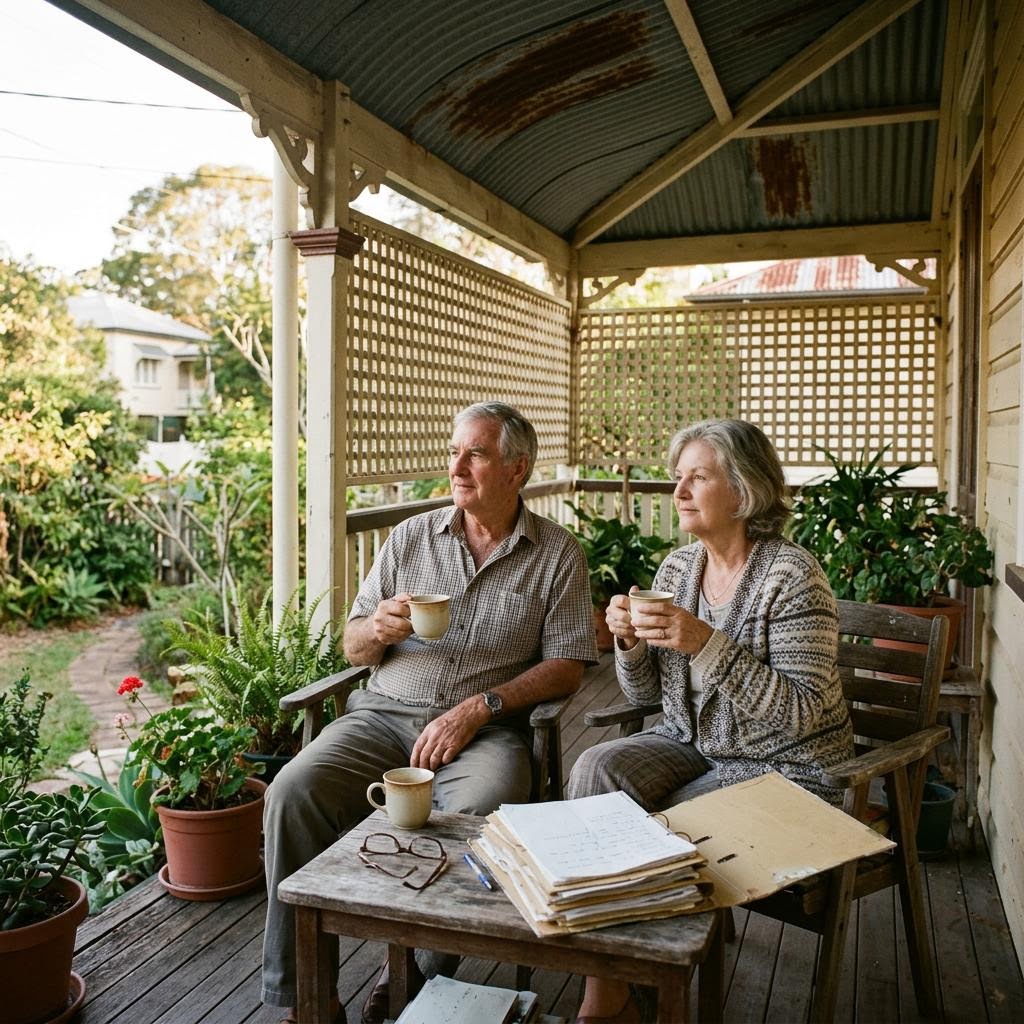
Based on a real discussion shared online by a retired homeowner reflecting on balancing the desire to leave an inheritance with maintaining a comfortable retirement. Some personal details have been simplified while preserving the circumstances described.
The Story
For as long as Helen could remember, she'd had one financial goal.
"Leave something for the kids."
It wasn't a formal plan.
It was simply how she'd always thought about money.
She and her late husband had worked hard, paid off the mortgage and watched the value of their home steadily increase over the decades.
Whenever anyone mentioned using the equity in the house, Helen dismissed the idea immediately.
"That's for the children one day."
During a family lunch, her eldest son surprised her.
"Mum, we'd rather you enjoyed your retirement."
She laughed.
"Easy for you to say."
He shook his head.
"I'm serious."
"We've got jobs, homes and our own lives."
"We don't want you skipping holidays or worrying about replacing the roof just so we inherit a bigger house."
The conversation stayed with Helen.
Later that week she found an online discussion where retirees and their families shared similar experiences.
What Actually Happened
The discussion showed just how differently families approached inheritance.
Some retirees felt strongly about preserving as much home equity as possible for future generations.
Others said their children had encouraged them to use some of their wealth to improve their own retirement.
Several contributors explained they had researched reverse mortgages as one possible way of accessing part of the equity in their home while continuing to live there.
Others preferred downsizing or using other savings before considering home equity.
The discussion wasn't about reducing an inheritance.
It was about finding a balance between looking after today's retirement and thinking about tomorrow.
Original discussion:
https://www.reddit.com/r/retirement/comments/inheritance_or_enjoy_retirement/
Why They Made That Choice
Helen wasn't motivated by luxury.
She simply wanted to be responsible.
For decades, responsibility had meant preserving wealth.
Retirement introduced a different perspective.
Perhaps responsibility also meant ensuring she could comfortably maintain her own quality of life.
Understanding how a reverse mortgage worked became part of exploring that broader question rather than making an immediate decision.
Lessons Learned
Several themes appeared consistently throughout the discussion.
Families don't always share the same assumptions. Parents often prioritise inheritance, while children may place greater importance on their parents enjoying retirement.
Home equity can serve different purposes. Some homeowners preserve it for future generations, while others see it as a retirement resource.
Open conversations reduce misunderstandings. Several contributors said honest discussions helped families better understand each other's priorities.
Every household finds its own balance. There was no single view on how much wealth should be preserved or used during retirement.
What Other People Thought
The discussion included a broad mix of perspectives.
Some retirees remained committed to leaving the largest inheritance possible.
Others believed their greatest gift to their children was remaining financially independent and enjoying their retirement.
Many contributors agreed on one point.
Clear family conversations often prevented assumptions from becoming unnecessary sources of tension.
How This Compares to Australia
Many Australian retirees also weigh the desire to leave an inheritance against the goal of maintaining financial comfort throughout retirement.
For eligible homeowners, a reverse mortgage is one option that may provide access to part of the equity in the home while allowing them to continue living there.
Australian reverse mortgages are regulated under the National Consumer Credit Protection framework and include a statutory No Negative Equity Guarantee.
Because interest generally compounds over time unless voluntary repayments are made, homeowners often compare this approach with alternatives while considering both their own retirement needs and their longer-term estate planning goals.
Key Takeaways
Helen assumed preserving every dollar of home equity was what her children wanted.
The conversation revealed something different.
They wanted their mother to enjoy the retirement she had spent a lifetime working towards.
The reverse mortgage wasn't the lesson.
The lesson was that assumptions about inheritance are worth discussing before making important financial decisions.
Story Snapshot
Location: United States
Source: Reddit
Perspective: Retired homeowner
Stage: Considering retirement options
Primary reason being considered: Balance retirement lifestyle with the desire to leave an inheritance
Outcome: Unresolved
Biggest concern: Whether accessing home equity would conflict with the goal of leaving an inheritance to family.
Key lesson: Families often have different expectations about inheritance. Open conversations can help retirees better understand how their loved ones view retirement, home equity and long-term financial priorities.
Source