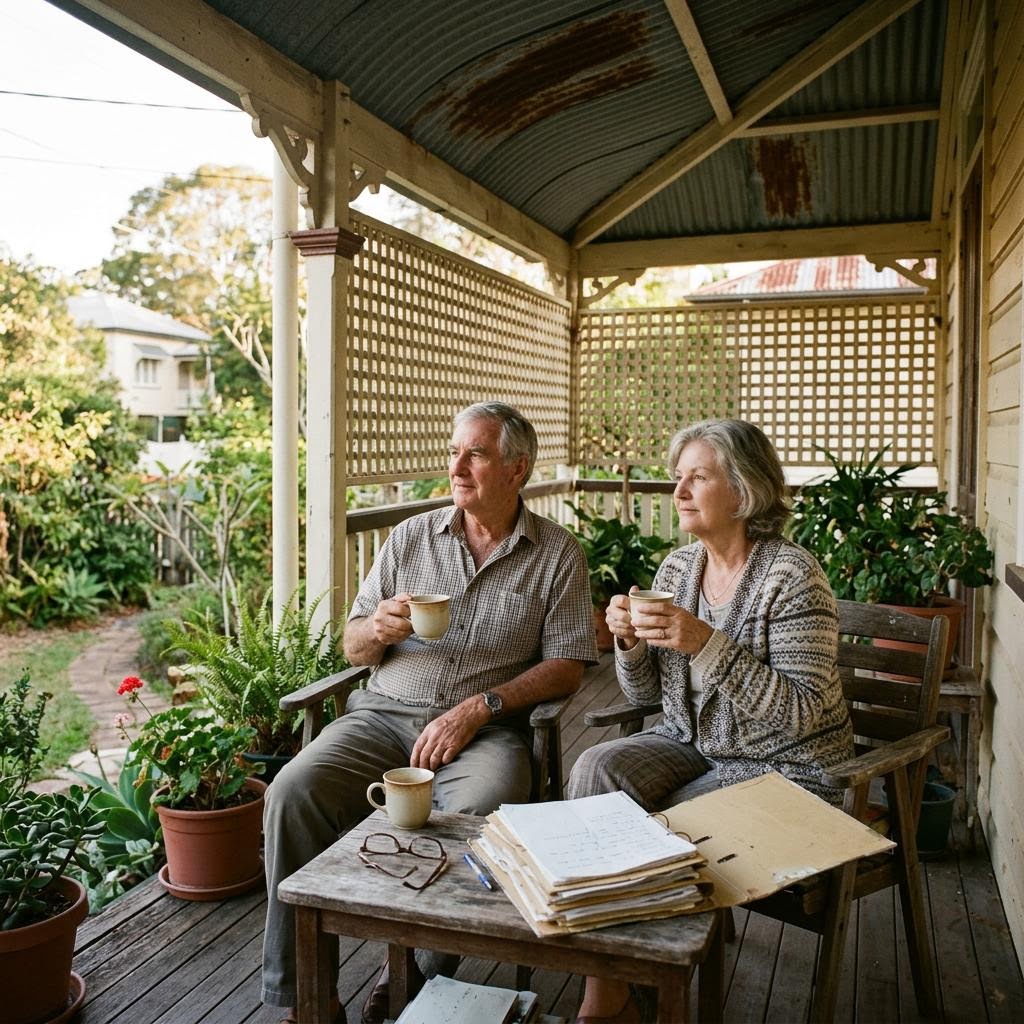
Based on a real discussion shared online by a retired homeowner exploring whether a reverse mortgage could help preserve independence later in life. Some personal details have been simplified while preserving the circumstances described.
The Story
Elaine had always been the one helping everyone else.
She helped her daughter through university.
She looked after the grandchildren during school holidays.
When friends needed a lift to appointments, she was the first to volunteer.
Accepting help herself felt completely foreign.
As retirement progressed, everyday expenses gradually became harder to manage.
Nothing dramatic.
The roof needed repairing.
The hot water system failed.
Insurance costs kept rising.
Her children noticed she had started putting off jobs around the house.
"We can help," they said.
Elaine appreciated the offer.
She also knew what accepting it would feel like.
She didn't want every future conversation to revolve around money.
While researching ways to stay financially independent, she found people online discussing reverse mortgages and the different reasons they had considered them.
What Actually Happened
The discussion revealed that financial independence meant different things to different retirees.
Some contributors said they were comfortable relying on family if circumstances changed.
Others admitted they would do almost anything reasonable before asking their children for ongoing financial support.
Several homeowners explained they had explored reverse mortgages because they wanted to continue making their own financial decisions while remaining in the homes they loved.
Others chose different paths, including downsizing or adjusting their retirement budgets.
The conversation wasn't about finding one correct solution.
It was about understanding what independence meant to each individual.
Original discussion:
https://www.reddit.com/r/retirement/comments/remaining_independent_in_retirement/
Why They Made That Choice
Elaine wasn't trying to preserve an inheritance.
She wasn't trying to increase her spending.
She wanted to continue living life on her own terms for as long as reasonably possible.
Accessing some of the equity in her home became something she wanted to understand because it might provide another option if future expenses became harder to manage.
Lessons Learned
Several themes appeared throughout the discussion.
Independence has emotional value. For many retirees, remaining financially self-reliant contributes to confidence and wellbeing.
Home equity can represent flexibility. Some homeowners see it as a resource available later in retirement if circumstances require it.
There are multiple ways to respond to financial pressure. Contributors discussed downsizing, adjusting spending, family support and accessing home equity.
Understanding personal priorities comes first. The most suitable option often depends on what the homeowner is trying to achieve rather than the product itself.
What Other People Thought
Many contributors recognised Elaine's concerns.
Some believed accepting help from family strengthened relationships.
Others felt maintaining financial independence for as long as possible was equally important.
Despite their different experiences, most agreed that retirement decisions become easier when families openly discuss expectations before financial pressure develops.
How This Compares to Australia
Many Australians value remaining financially independent throughout retirement while continuing to live in familiar surroundings.
For eligible homeowners, a reverse mortgage is one option that may provide access to part of the equity in the home without requiring an immediate sale.
Australian reverse mortgages are regulated under the National Consumer Credit Protection framework and eligible loans include a statutory No Negative Equity Guarantee.
Because interest generally compounds over time unless voluntary repayments are made, homeowners often compare this approach with alternatives such as downsizing, using savings or receiving family support before deciding what best suits their circumstances.
Key Takeaways
Elaine's biggest concern wasn't the cost of a new roof.
It was what accepting financial help might mean for her sense of independence.
The reverse mortgage wasn't the outcome she had already chosen.
It was one of several options she wanted to understand before making any decision.
For many retirees, the conversation begins with money.
It often ends with something much more personal: how they want to live the next chapter of their lives.
Story Snapshot
Location: United States
Source: Reddit
Perspective: Retired homeowner
Stage: Considering a reverse mortgage
Primary reason being considered: Maintain financial independence while remaining in the family home
Outcome: Unresolved
Biggest concern: Preserving independence without relying on ongoing financial support from family.
Key lesson: Financial decisions in retirement are often shaped by personal values as much as by numbers. Understanding those values can help homeowners evaluate the options available to them.
Source