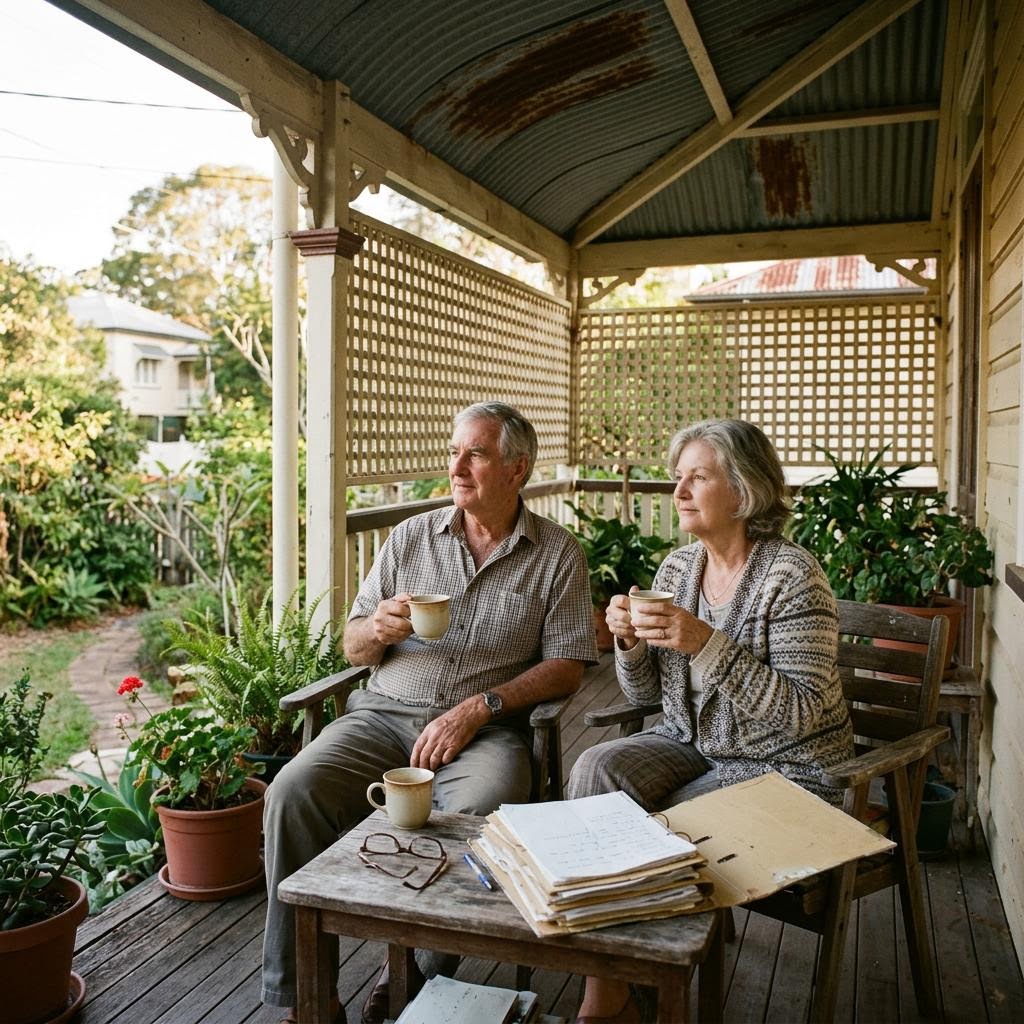
Based on a real discussion where homeowners were invited to share their own reverse mortgage experiences, including what surprised them, what worked well and what they wished they had known beforehand. Some personal details have been simplified while preserving the themes discussed.
The Story
Helen wasn't looking for another brochure.
She'd already read plenty of those.
She'd watched YouTube videos.
Compared lenders.
Read articles explaining how reverse mortgages worked.
Yet she still felt like something was missing.
Everything she'd found either praised reverse mortgages or warned against them.
Very little came from people who had actually lived with one.
So when she came across an online discussion asking,
"People who have taken out a reverse mortgage, what was your experience?"
she stopped scrolling.
This was exactly what she'd been searching for.
What Actually Happened
The discussion attracted a broad range of responses from borrowers, family members and people who had seen reverse mortgages used by relatives.
Several contributors described reverse mortgages as helping older homeowners remain in the homes they loved when their retirement income alone wasn't enough to comfortably meet their needs.
Others explained that the loan gave retirees greater financial flexibility without requiring monthly mortgage repayments.
At the same time, contributors repeatedly emphasised the importance of understanding the loan before signing.
Borrowers who were satisfied with their decision generally said they had taken time to understand how interest accumulated, how the loan would eventually be repaid and what effect it would have on their remaining home equity.
Some family members also reflected that the reverse mortgage had worked well because it achieved exactly what the homeowner wanted, even though it reduced the inheritance that might otherwise have been left behind.
The overall discussion wasn't dominated by either praise or criticism.
Instead, it showed that experiences varied depending on why the loan had been taken out and whether expectations matched the long-term outcome.
Why They Made That Choice
Most borrowers weren't looking for luxury.
They were looking for stability.
Some wanted to supplement retirement income.
Others needed funds for home maintenance, healthcare or everyday living expenses.
For many contributors, remaining in familiar surroundings was worth more than preserving every dollar of home equity.
Lessons Learned
Several themes appeared consistently throughout the discussion.
Real borrower experiences were nuanced. Very few people described reverse mortgages as either perfect or disastrous.
Understanding the loan before signing made a difference. Satisfied borrowers generally knew how interest would accumulate and accepted the trade-offs involved.
The purpose of the loan mattered. Reverse mortgages tended to receive the strongest support when they solved a clearly identified retirement problem.
Family communication helped avoid future surprises. Contributors encouraged discussing the decision with family members before proceeding, particularly where inheritance expectations existed.
What Other People Thought
Commenters repeatedly suggested that reverse mortgages should be viewed as one retirement planning tool among many.
Some believed they were an excellent solution for the right household.
Others said they preferred downsizing or using other financial strategies first.
Despite their different opinions, contributors generally agreed that homeowners benefited from hearing genuine borrower experiences rather than relying solely on marketing material or common misconceptions.
How This Compares to Australia
Australian borrowers often describe similar motivations.
ASIC research has found that many Australians use reverse mortgages to remain in their homes, supplement retirement income or meet unexpected expenses later in life.
Australian reverse mortgages are regulated under the National Consumer Credit Protection framework and include a statutory No Negative Equity Guarantee, helping protect borrowers from owing more than the property's eventual sale value.
As in the Reddit discussion, Australian experience suggests the best outcomes generally occur when borrowers understand both the advantages and the long-term effect on their home equity before entering the loan.
Key Takeaways
Helen wasn't searching for someone to tell her what to do.
She wanted to understand what life actually looked like after taking out a reverse mortgage.
The discussion reminded her that real experiences are rarely completely positive or completely negative.
They're usually more practical than that.
The more borrowers understand before signing, the more likely their expectations are to match the outcome.
Story Snapshot
Location: United States
Source: Reddit
Perspective: Borrowers, family members and observers
Stage: Researching reverse mortgages before applying
Primary reason being considered: Learn from real borrower experiences before making a decision
Outcome: Mixed
Biggest concern: Whether reverse mortgages deliver the benefits borrowers expect once they begin living with the loan.
Key lesson: Listening to real borrower experiences can provide a more balanced understanding than relying solely on marketing material or common myths. The strongest outcomes often come when homeowners fully understand the long-term implications before proceeding.
Source