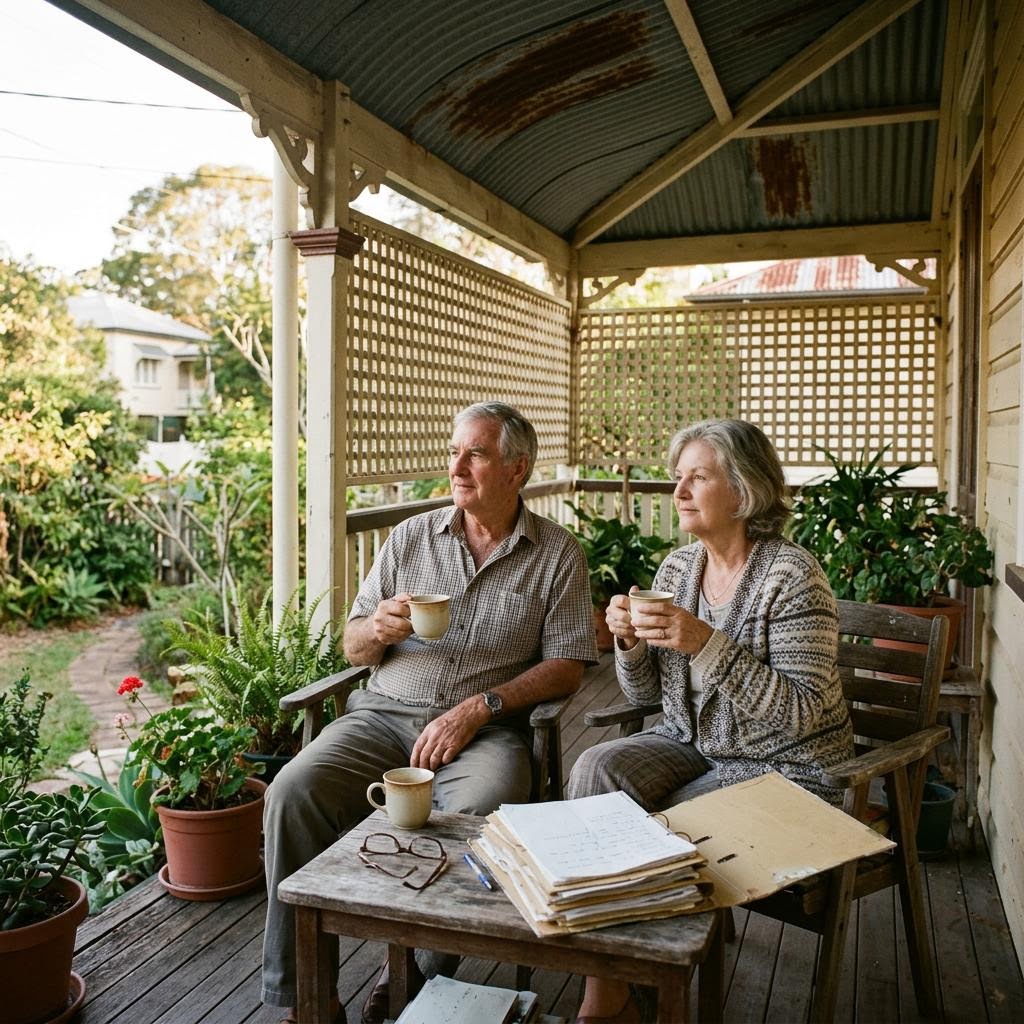
Based on a real discussion where homeowners and family members shared first-hand positive experiences with reverse mortgages, alongside balanced comments about when they can and cannot work well. Some personal details have been simplified while preserving the circumstances described.
The Story
When Mum first mentioned a reverse mortgage, almost everyone had an opinion.
"Don't do it."
"They're a scam."
"You'll lose the house."
"The bank gets everything."
After hearing enough horror stories, she nearly abandoned the idea altogether.
But before making a decision, she wanted to hear from people who had actually lived with one.
Not salespeople.
Not television advertisements.
Not articles written by finance companies.
Real homeowners.
Her daughter searched online and came across a discussion asking a simple question.
"Has anyone had a positive experience with a reverse mortgage?"
For the first time, they found responses from people who weren't warning about something they had heard.
They were describing what had actually happened in their own families.
What Actually Happened
The discussion contained several positive first-hand and family experiences.
One contributor described a close friend in their 60s who had refinanced their reverse mortgage as their home's value increased. Because they had no children or close heirs, they viewed the home primarily as a financial asset rather than an inheritance. The reverse mortgage allowed them to access that equity while continuing to live in the property, and they remained comfortable with the arrangement.
Other commenters pointed out that a reverse mortgage is simply another financial tool.
For some households, particularly those wanting to remain in their home with no intention of leaving the property to beneficiaries, it solved a genuine retirement funding problem.
At the same time, contributors acknowledged it wasn't suitable for everyone.
Several stressed that understanding the long-term costs and deciding how important preserving home equity was to the family remained essential before proceeding.
Why They Made That Choice
The homeowners weren't trying to maximise their estate.
They wanted to improve their retirement while they were still healthy enough to enjoy it.
For families without children, or where inheritance wasn't a major priority, accessing home equity allowed them to remain in familiar surroundings without making compulsory mortgage repayments.
The reverse mortgage wasn't viewed as a last resort.
It was simply the option that best matched their circumstances.
Lessons Learned
Several themes appeared throughout the discussion.
Reverse mortgages aren't automatically good or bad. Their suitability depends heavily on a homeowner's financial situation and personal goals.
Inheritance expectations matter. Contributors without children or intended beneficiaries often viewed the product very differently from families hoping to leave the home to future generations.
Understanding the product is critical. Positive experiences generally came from borrowers who understood how interest accumulated and accepted the long-term trade-offs.
Real experiences are often more balanced than public perception. Many contributors felt reverse mortgages attracted attention mainly when something went wrong, while successful experiences were discussed far less often.
What Other People Thought
Although the thread asked specifically for positive experiences, many contributors still encouraged careful research.
Some believed reverse mortgages were an excellent solution under the right circumstances.
Others said they would only consider one if no better alternatives existed.
Despite their different views, there was broad agreement that the product should be judged according to the homeowner's objectives rather than by blanket assumptions.
How This Compares to Australia
Australian research has found similar patterns.
ASIC's review of reverse mortgage lending found many borrowers used reverse mortgages to improve their quality of life in retirement and remain in their homes. At the same time, it found some borrowers underestimated the long-term impact on future equity and recommended that lenders improve discussions around future needs and loan costs.
Australian reverse mortgages are also protected by the statutory No Negative Equity Guarantee, meaning borrowers (or their estates) cannot owe more than the value of the property when it is sold, provided the loan complies with Australian law.
Key Takeaways
Mum expected to hear nothing but warnings.
Instead, she discovered something more useful.
Real experiences.
Some people regretted reverse mortgages.
Others said they had been exactly the right solution.
The discussion reminded her that the important question wasn't whether reverse mortgages were universally good or bad.
It was whether they suited the circumstances of the person considering one.
Story Snapshot
Location: United States
Source: Reddit
Perspective: Homeowners and family members
Stage: Researching a reverse mortgage
Primary reason being considered: Remain in the family home while accessing home equity
Outcome: Positive
Biggest concern: Whether reverse mortgages were genuinely helpful or simply carried an undeservedly poor reputation.
Key lesson: Real borrower experiences suggest reverse mortgages can work well for some homeowners, particularly when they understand the long-term costs and the loan aligns with their retirement goals and family circumstances.
Source